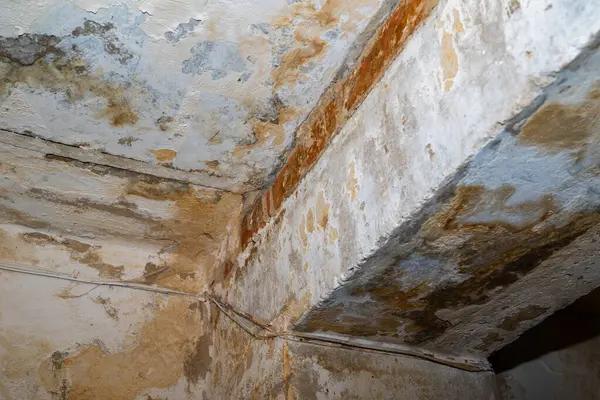
Crawlspace mold removal requires a professional approach to ensure lasting protection and maintain a healthy home environment. Mold in crawlspaces often results from moisture accumulation, poor ventilation, or water intrusion, creating an ideal breeding ground for fungal growth. Addressing this problem effectively involves several key steps that professionals follow to eliminate mold and prevent its recurrence.
The first step in professional crawlspace mold removal is a thorough inspection. Experts assess the extent of mold growth, identify moisture sources, and evaluate structural damage if present. This detailed examination helps determine the appropriate remediation strategy tailored to the specific conditions of the crawlspace. Accurate identification of mold species may also be necessary since some types pose greater health risks than others.
Once the assessment is complete, containment measures are implemented to prevent cross-contamination during cleanup. Professionals seal off affected areas using plastic barriers and negative air pressure systems to confine spores within the work zone. This precaution protects other parts of the home from exposure during remediation.
The next phase involves removing contaminated materials such as insulation, wood panels, or debris that have been compromised by mold infestation. These items are carefully extracted and disposed of following environmental safety guidelines to avoid spreading spores elsewhere.
Following material removal, cleaning begins with specialized antimicrobial solutions designed specifically for mold eradication on porous surfaces common in crawlspaces like wood and concrete blocks. Technicians scrub affected areas thoroughly while ensuring proper protective gear is worn throughout the process.
Drying out the crawlspace is critical after cleaning because residual moisture can lead to rapid regrowth of mold colonies. Professionals use industrial-grade dehumidifiers combined with improved ventilation techniques such as installing vent fans or vapor barriers under floors to regulate humidity levels consistently below 60 percent-a threshold unfavorable for mold development.
In addition to drying methods, sealing foundation walls with waterproof coatings prevents future water intrusion from soil seepage or heavy rainfall events outside the home’s perimeter.
Finally, ongoing monitoring through routine inspections ensures early detection if new moisture problems arise so corrective actions can be taken promptly before visible signs appear again.
By employing these comprehensive professional methods-inspection, containment, removal of damaged materials, targeted cleaning treatments, effective drying strategies including vapor barriers and ventilation improvements-homeowners gain long-term defense against crawlspace mold removal issues that threaten both property integrity and indoor air quality. Engaging certified experts guarantees adherence to industry standards for safety and effectiveness while providing peace of mind through durable results that protect family health over time.