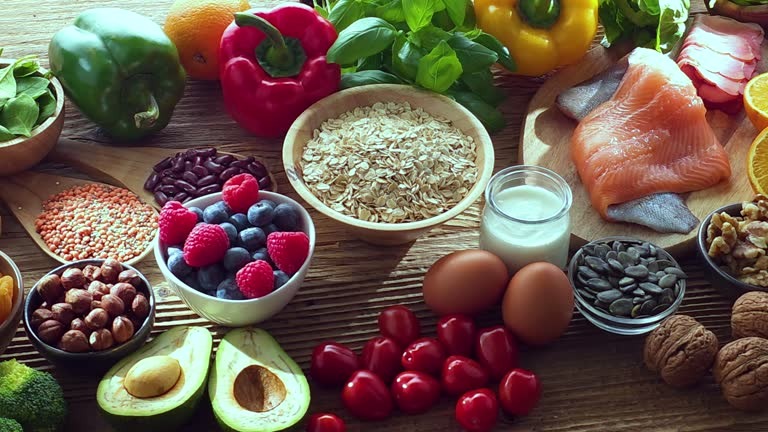

Maintaining strong and healthy bones is essential for overall well-being, especially as we age. Bones provide structure to the body, protect vital organs, anchor muscles, and store calcium. To support bone health, it is crucial to consume a diet rich in specific nutrients that promote bone density and strength. Among these nutrients, calcium and vitamin D are the most well-known; however, other vitamins and minerals also play significant roles.
Calcium is the primary mineral found in bones and teeth. It provides rigidity and strength to the skeletal system. Dairy products such as milk, cheese, and yogurt are excellent sources of calcium. For those who are lactose intolerant or prefer plant-based options, fortified plant milks like almond or soy milk offer comparable amounts of calcium. Leafy green vegetables such as kale, collard greens, broccoli, and bok choy also contribute valuable calcium without added fat or cholesterol.
Vitamin D is critical because it helps the body absorb calcium efficiently from food sources into the bloodstream. Without adequate vitamin D levels, even a high-calcium diet may not be effective in maintaining bone density. Fatty fish such as salmon, mackerel, tuna, and sardines are rich in vitamin D along with omega-3 fatty acids that support overall health. Additionally, egg yolks contain moderate amounts of vitamin D. Exposure to sunlight enables the skin to synthesize vitamin D naturally; however dietary intake remains important during months with limited sun exposure.
Magnesium is another mineral vital for bone formation as it influences both osteoblasts (cells that build bone) and osteoclasts (cells that break down bone). Nuts like almonds and cashews provide magnesium along with healthy fats beneficial for cardiovascular health. Whole grains including brown rice and quinoa also supply magnesium while offering fiber for digestive wellness.
Vitamin K plays an often overlooked role by helping regulate calcium deposition within bones rather than soft tissues where calcification can cause harm. Green leafy vegetables such as spinach or Swiss chard contain high levels of this nutrient alongside antioxidants that reduce inflammation contributing to bone loss.
Protein supports collagen production which forms a framework upon which minerals deposit during new bone growth or repair processes after injury or wear over time. Lean meats like chicken breast along with legumes including lentils offer quality protein without excessive saturated fat content.
Incorporating a variety of these nutrient-dense foods into your daily meals promotes optimal bone strength throughout life stages-from childhood development through adulthood maintenance into older age when osteoporosis risk increases significantly.
In conclusion, focusing on a balanced diet featuring ample dairy or fortified alternatives for calcium; fatty fish plus sun exposure for vitamin D; nuts whole grains rich in magnesium; leafy greens providing vitamins K alongside antioxidants; plus sufficient protein intake will collectively foster stronger bones capable of supporting an active lifestyle now and in years ahead.