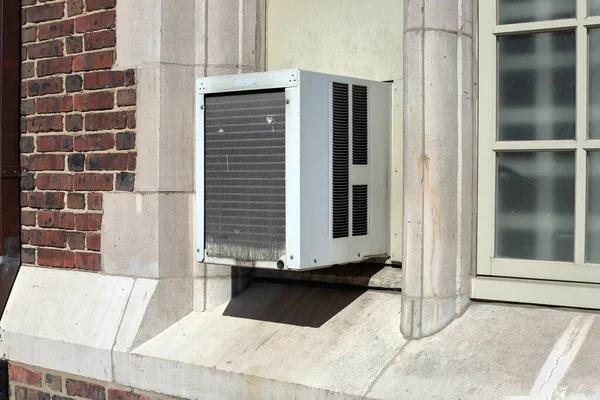
Maximizing the cooling performance of a window air conditioner requires careful attention to installation, maintenance, and usage habits. Proper placement plays a crucial role in ensuring efficient operation. The unit should be installed in a window that receives minimal direct sunlight during the hottest parts of the day, as excessive heat can force the air conditioner to work harder. Additionally, sealing gaps around the unit prevents warm air from leaking into your room and cool air from escaping outside. Using weatherstripping or foam insulation strips helps maintain a tight seal.
Regular cleaning is essential for optimal cooling efficiency. Dust and debris can accumulate on the filters and coils over time, reducing airflow and forcing the system to consume more energy while delivering less cooling power. It is advisable to clean or replace filters every month during peak usage seasons. The evaporator coil inside should also be checked periodically; if it becomes dirty, it needs gentle cleaning with a soft brush or vacuum designed for delicate surfaces.
Another important factor is managing indoor airflow effectively. Keeping doors closed in rooms where cooling is not necessary allows the unit’s cooled air to circulate within intended spaces rather than being wasted on unoccupied areas. Using fans alongside your window AC helps distribute cool air more evenly throughout the room without increasing energy consumption significantly.
Temperature settings impact both comfort and efficiency as well. Setting your thermostat too low causes unnecessary strain on your unit and increases electricity bills without providing noticeable benefits beyond moderate cooling levels. A comfortable range between 72°F to 78°F balances energy use with effective temperature control in most environments.
Ensuring proper drainage also contributes to smooth operation since water generated by condensation must exit freely through designated channels or tubes behind the unit. Blockages can lead to water buildup that interferes with performance or causes leaks inside your home.
Finally, consider upgrading older models if they no longer meet modern standards for energy efficiency or if frequent repairs become costly over time. Newer units often feature advanced technologies such as programmable timers, eco modes, and improved refrigerants that enhance overall functionality while lowering environmental impact.
By paying close attention to installation details, maintaining cleanliness regularly, optimizing airflow management, setting appropriate temperatures, ensuring proper drainage, and evaluating when an upgrade is needed, users can significantly improve their Window Air Conditioner‘s cooling effectiveness while minimizing operational costs throughout hot seasons.